Apple Cake (Low Fat)

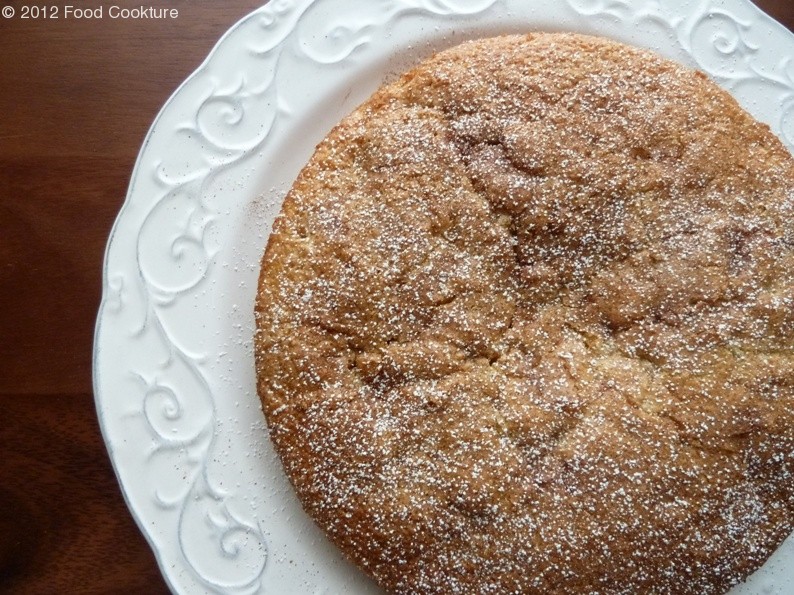
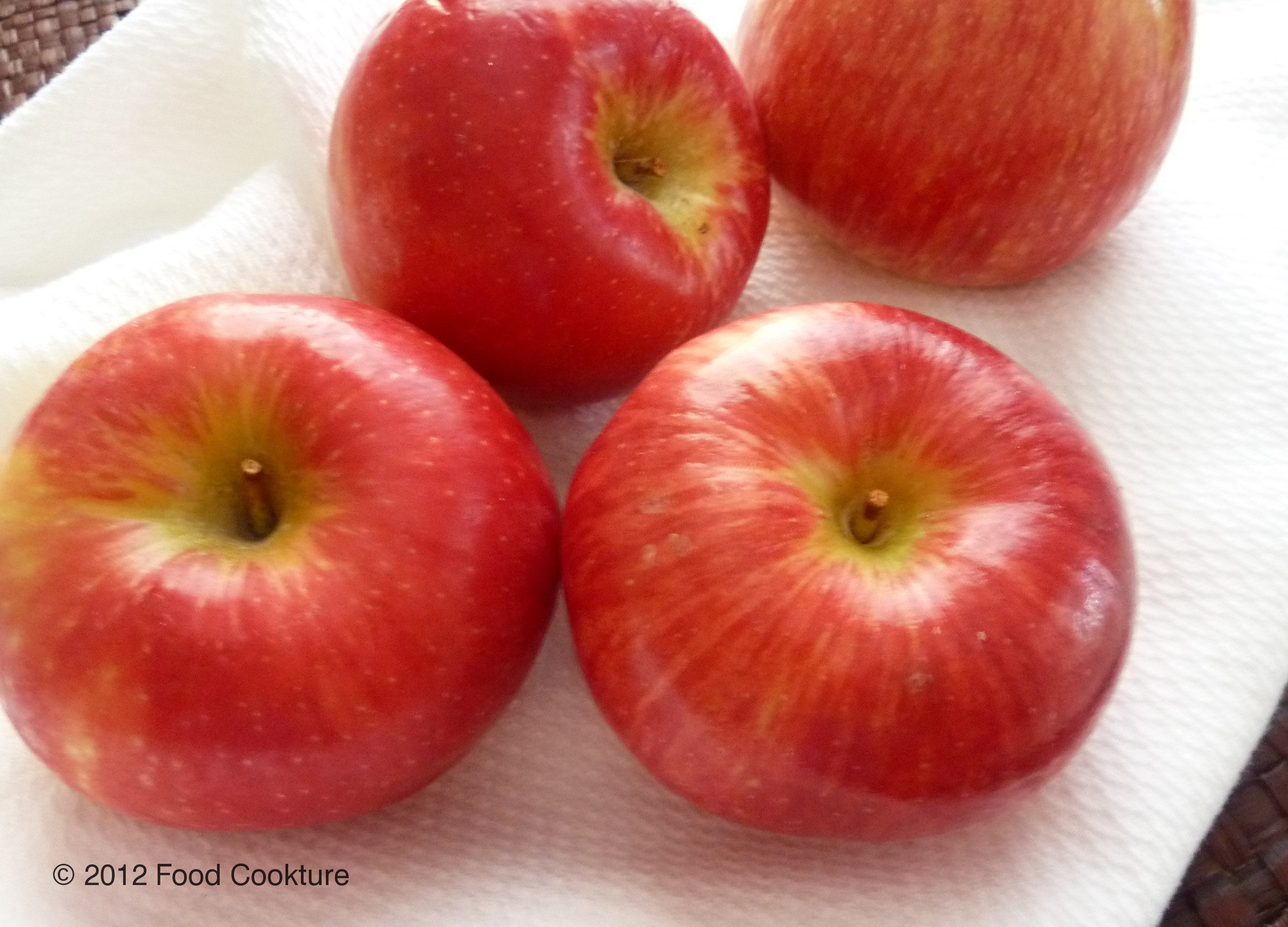
Apple cake is delicious with tea or coffee, for dessert or any time of the day. There are different recipes and versions of “apple cake” all over the world. This recipe is from Brazil. It’s light and fluffy, and has pieces of apple with each bite. You can use any type of apple for this recipe. I used a sweet red apple, but any type will do. Making apple cake has the extra benefit of aromatherapy, as your kitchen will have a wonderful sweet perfume lingering even after the cake is baked.
About this recipe
This is probably the healthiest (and easiest) cake I’ve ever made. It was inspired by my mother’s apple cake as well as a recipe from my friend Ivana from Brazil. My mother’s original recipe called for butter and yogurt; while Ivana’s called for oil. In an attempt to reduce the overall amount of fat in the cake, I tried different combinations: oil with milk, oil with buttermilk (leftover from making ricotta – click here for the recipe), until my mother gave me the brilliant suggestion of adding apple sauce as a substitute for oil (a well-known trick in the US). I liked that my mother’s recipe used yogurt and I also tried making the cake with apple sauce and yogurt; turned out to be delicious! Since the yogurt, apples and apple sauce have natural sugars (even the unsweetened apple sauce does) I was also able to decrease the amount of sugar I used in this recipe. I simply LOVE making healthier substitutions that do not sacrifice taste or texture!
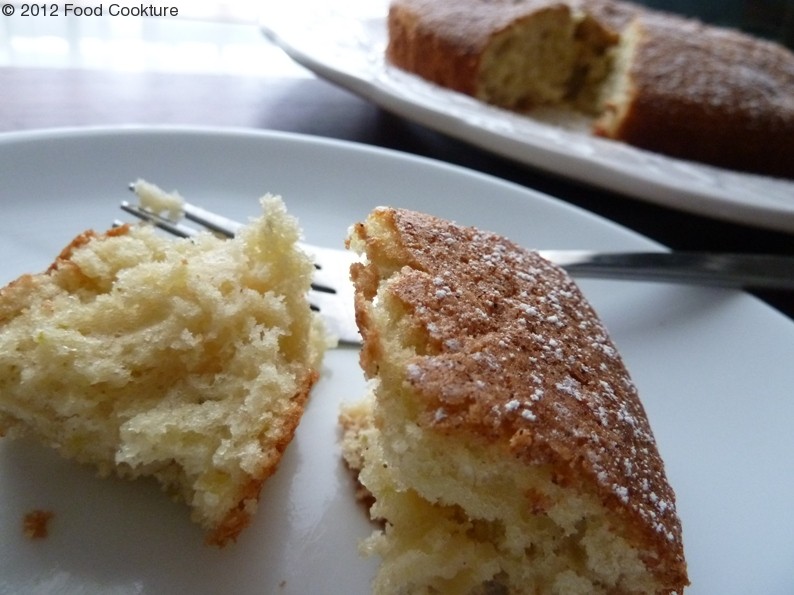
I’m providing options for you to substitute depending on your preference and what ingredients you have at home. But in terms of flavor, all the substitutions for oil were very similar; in fact, I did not miss it at all in the recipe. The cake was moist, fluffy and light; not to mention more nutritious! My friend Ivana also adds the apple peel to the batter which I thought was an excellent idea; adding nutrients and fiber and absolutely not altering the taste or texture of the cake (nor do you even see it after it is baked). I have been making this cake over and over in the past couple of weeks since Ivana shared her recipe with me and I just can’t get enough of it. I finished my last slice this morning, and already look forward to making another cake tonight! I hope you enjoy it as much as I do.
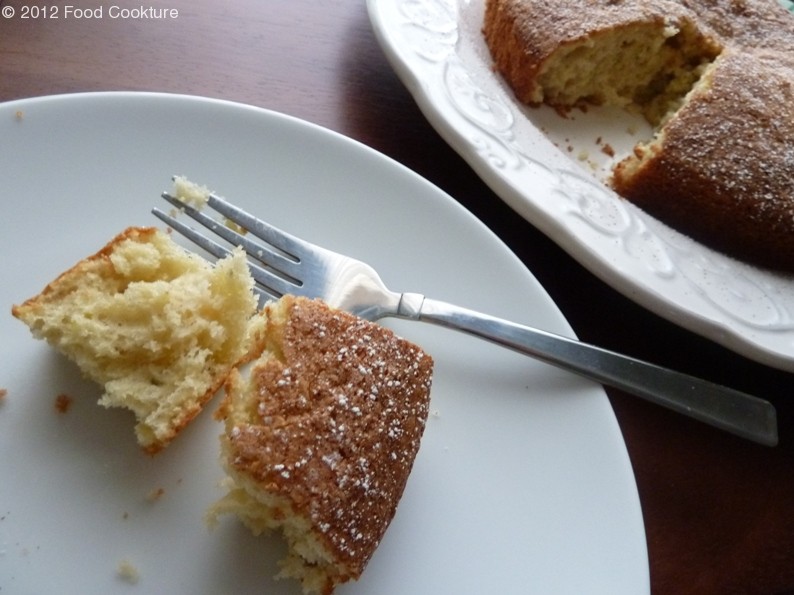
Apple Cake (Low fat)
Yields 16 servings (using 2 small round pans of 9-inches/22cm or 1 large round pan of 12-inches/30cm)
Prep time: 10 minutes
Cook time: 30-45 minutes
Cooking Temperature: 350°F/180°C

Ingredients:

  • 3 small or 2 medium apples of your choice, peeled and cubed (reserve the peel)
  • 4 large eggs
  • 2/3 cup (130g) granulated (superfine/caster) sugar
  • 1 tsp vanilla extract
  • 2/3 cup (160ml) of unsweetened apple sauce* (for homemade recipe see below)
  • 1/3 cup (80ml) of skim or low fat plain yogurt (or fresh buttermilk or milk)
  • 2 cups of all-purpose flour
  • 1 TBL of baking powder
  • 1 tsp cinnamon (optional – either in the batter or sprinkled on top)
  • Powdered sugar (optional)

*Note: You can use unsweetened (preferably organic) store-bought apple sauce (which is what I used) or simply make your own! For a simple homemade apple sauce: combine chopped peeled apples (use sweet apples so you do not have to add sugar) into a pot of water (use enough water to cover the apples; you can also cook apples with just a little bit of water for more flavor. Cover with lid, cook on medium-high until water boils, lower temperature to medium until the apples are soft and cooked. Put cooked apples in food processor, allow to cool and it is ready to be used.

Directions

  1. Preheat oven to 350°F/180°C. Butter and flour baking pan(s) and set aside.
  2. Peel and cut apples into cubes. Reserve the peel.
  3. In a bowl, combine the apple cubes and the flour (toss lightly to coat the apple pieces). Sprinkle the baking powder on the top and set aside.
    1. Note: Coating the apple pieces with flour helps them not sink to the bottom of the cake pan while baking. This is a good tip to use with any fruit in baking cakes or muffins.
  4. In a blender (not a mixer), combine eggs, sugar, vanilla extract, apple peel, apple sauce, and yogurt (or milk/buttermilk). Blend for at least 5 minutes until the apple peel is chopped to little pieces.
    1. Note: I usually separate my egg whites and egg yolks in cake recipes; but you do not need to do that for this recipe and may blend the whole egg.
  5. Add blended mixture slowly to the flour, apples and baking powder mixture while stirring together.
  6. Slowly pour mixture into baking pan(s). You can sprinkle a little bit of cinnamon on top of the cake at this time (it can be used alone or mixed with a little granulated or cane sugar; it can also be used in the batter, but I prefer on top).
  7. Bake for approximately 30-45 minutes (depending on size of pan and your stove) until the top is golden brown (you can also measure by sticking a toothpick in the cake; if it comes out clean, the cake is done).
  8. Once cooled, sprinkle powdered sugar and serve.

This will become one of your favorite cakes, as it is now also one of mine. Enjoy!

Posted in Brunch/Breakfast, Cakes, Desserts, Light Dishes, Snacks, Vegetarian | Tagged , , , , , , , , , , , | 5 Comments

Simple Side Dish: Sautéed Mushrooms

Mushrooms can be eaten raw or cooked.  There are a variety of mushrooms and each carry different flavors suitable for different dishes.  The most popular mushrooms for cooking (varying by country of course) are: white/button, portobello/portabella, porcini, chanterelle, crimini, shiitake, and oyster, among many others.  Mushrooms are a good source of B Vitamins (including riboflavin, niacin, and pantothenic acid) and minerals (including selenium, potassium, and copper).

About this recipe
This is my mother’s recipe which she makes often and everyone loves.  I usually prepare sautéed mushrooms to be served as a simple yet flavorful side dish to chicken, beef or pork.  It can even be eaten cold with bread, or you may use it in a savory pie.  I often use baby portabella and/or white/button mushrooms for this dish; sometimes I even mix the two.  Baby portabella has an earthier flavor, and although button mushrooms are bland when eaten raw, the flavor is intensified when cooked and is a great mushroom used for absorbing other flavors and/or seasonings; making it a versatile mushroom for cooking.

Sautéed Mushroom
Serves 4 people
Prep time: 5 minutes
Cook time: 10-15 minutes

Ingredients:

  • 8 oz (227g) of mushrooms, sliced (any mushroom of your choice, I suggest baby portabella or white/button)
  • 1/3 medium onion, chopped
  • 1 clove of garlic, minced
  • 2 TBL extra-virgin olive oil (add a little more if not using non-stick pan)
  • 1 tsp Worcester Sauce 
  • 1/2 tsp fresh parsley, chopped
  • Salt and pepper to taste

Directions

  1. Sauté onions with olive oil until tender (approx 3-5 minutes) over low-medium heat.  Add garlic and cook another minute (do not let garlic get brown or it will be bitter).
  2. Add sliced mushrooms and cook until tender (approx 5-8 minutes), stir often.  Add Worcester sauce and cook another 2 minutes.
  3. Season with salt and pepper and add parsley. 
  4. Serve warm.

This dish is quick to make and adds a nice flavor when served with meat or poultry.  Enjoy!  


Posted in Appetizers, Light Dishes, Side Dishes, Snacks, Vegetarian | Tagged , , , , , , , | 5 Comments

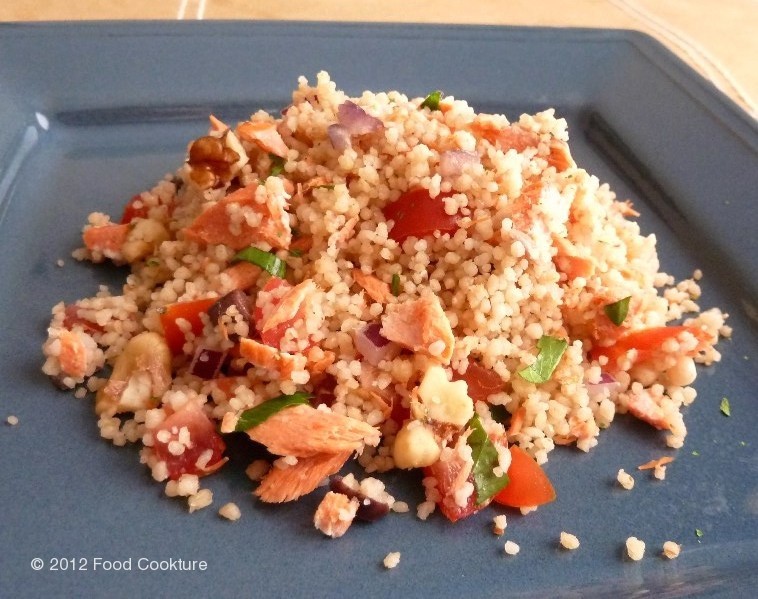
Salmon Couscous

Couscous adds a special touch and light texture (as well as nutritional value) to many dishes. Although known as a “grain,” it is made from a grain (semolina) with water by rolling to form small pellets. It is more nutritious than dried pasta (more vitamins, less sugar) and white rice (more protein) and goes well with just about any ingredient you have at home. It is delicious on its own as a meal (as in this recipe) or as a side dish (served with fish, meat or chicken).

Traditional origins of couscous are from North Africa (mainly Morocco), but nowadays couscous is eaten everywhere in the world, and many countries have adopted couscous as part of their healthy meals and diets – such as France, Italy, Spain, Portugal, and many other countries. There are other types of couscous in the world where it’s made with different ingredients such as cornmeal (as in Brazil), or pearl millet (as in Mali and Senegal); traditional semolina couscous is lighter in texture and flavor. The couscous often found in supermarkets (commonly known as “instant” couscous) has already been pre-steamed and dried and only takes 5 minutes to cook. It’s a versatile “grain” and its mild flavor does not compete with other ingredients, making it a friendly item to always have in your kitchen for a quick healthy meal.

About this recipe
I often make couscous because it’s quick, easy and delicious by itself (with a little salt, pepper and olive oil) or you can add any fresh ingredient and make a more elaborate side dish or a main meal with it. I first had this salmon couscous dish about 3 years ago at my friend Anailza’s house and loved it; it’s light, fresh, and nutritious and can be eaten hot or cold. I have made it often since, sometimes changing ingredients. This recipe has approximate quantities of ingredients, because there is no need for specific measurements (except in cooking the couscous itself). You can add as much or little of something listed, omit or substitute with another ingredient of your choice; you can even cook the couscous in vegetable stock instead of water. This is simply a suggested recipe, and I urge you to experiment on your own making couscous with other flavors and you too will see how easy it is to make a great nutritious meal with this simple ingredient!

Salmon Couscous
Serves 4-6 people
Prep time: 10-15 min
Cook time: 5 min (couscous) + 10-15 min (salmon)
Cooking temp: 350°F/180°C (salmon)

Ingredients:

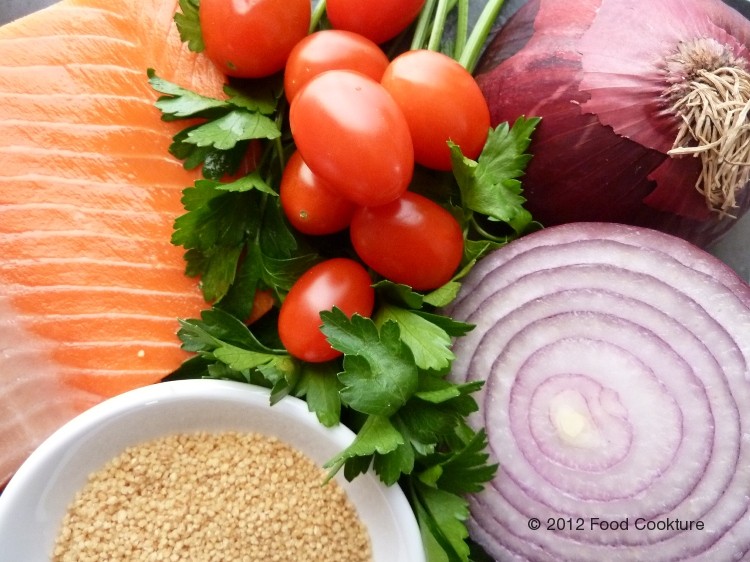
  • 1 salmon fillet
  • 1 cup (173g) plain couscous (unflavored)
  • 1 cup (235ml) of water
  • ¼ (medium) red onion*, chopped
  • 6-8 Greek Kalamata olives, pitted and chopped
  • 1 TBL pine nuts (slightly toasted)
  • 1 TBL walnuts, chopped
  • 10-12 cherry tomatoes, diced
  • 2 TBL extra virgin olive oil (1 TBL for cooking couscous, 1 TBL for seasoning)
  • 2 tsp parsley, chopped
  • Salt and pepper to taste

*Cooking tip: Soak chopped onion in water for 10 minutes to take out the “sting” so it can be eaten raw.

Directions

  1. Season salmon with salt and pepper and bake for 5-10 minutes in 350°F/180°C or until done to your liking. You may grill the salmon instead of baking it if you prefer.
  2. While the salmon is cooking, boil 1 cup (235ml) of water. Remove from heat and add couscous and 1 TBL of olive oil. Stir and cover pot. Let it rest for 5 minutes while the couscous absorbs the water. Once done, fluff couscous lightly with a fork. Set aside.
    1. Note: These are directions for couscous commonly found in supermarkets that have been pre-steamed and dried. If you can find authentic couscous, it takes longer to cook.
  3. Once the salmon is cooked, cut it into small pieces and set aside.
    1. Note: You can use a knife to cut or a fork to shred the salmon.
  4. Toast pine nuts over low heat in a skillet for approximately 2-3 minutes, stirring often until light golden in color.
  5. In a bowl, add the salmon, chopped (and rinsed) onions, tomatoes, olives, pine nuts, walnuts, parsley, and 1 TBL of olive oil. Add the couscous and lightly toss together. Season with salt and pepper, and add more olive oil if needed.

This dish is quick and healthy and can be done ahead of time. It can be served hot or cold, as a salad or as a side dish (without the salmon). Enjoy!

Posted in Brunch/Breakfast, Entree (lunch/dinner), First Course, Fish/Seafood, Light Dishes, Salads, Side Dishes, Snacks, Vegetarian | Tagged , , , , , , , | 10 Comments

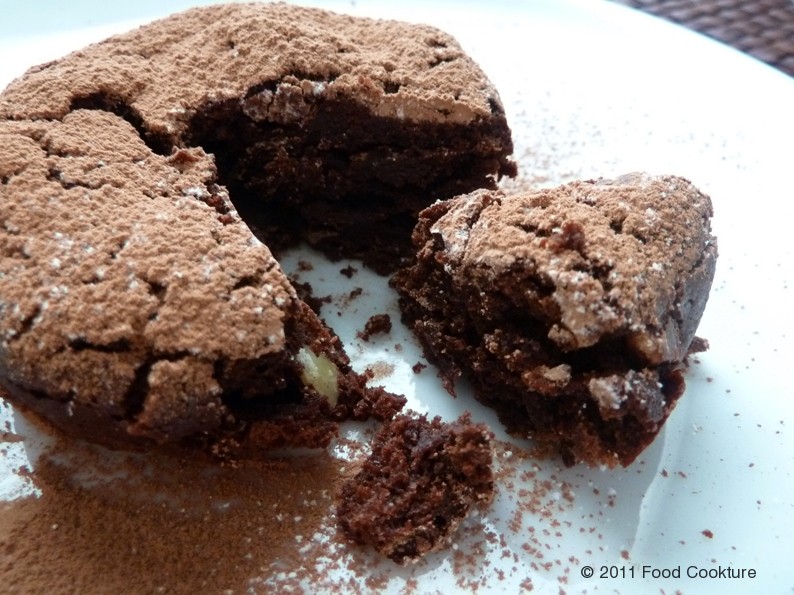
Flourless Chocolate Cake

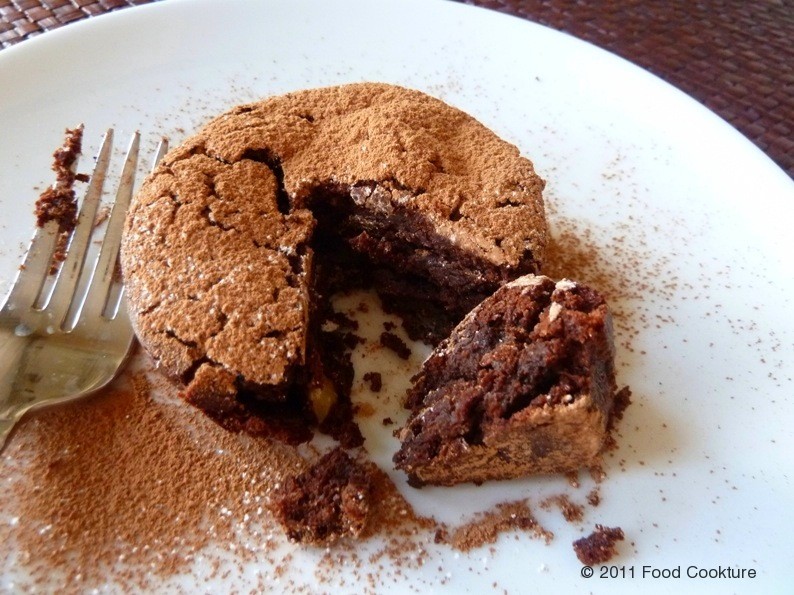
Finally a chocolate recipe! For those who know me and my love for chocolate probably thought my first blog post would have been a rich chocolate dessert. But here it is – one of my favorites: an indulgent flourless chocolate cake. This cake is popular even among those not too fond of desserts; since it is not too sweet or too “heavy” as an after dinner dessert. Its intense chocolate flavor is from a mixture of melted chocolate and cocoa powder. This cake is simple to make and consists of few ingredients, but that does not take away from the impact it creates – guests are always impressed. It is a crowd pleaser and one of the most requested desserts I serve at dinner parties.

About this recipe
My recipe has less sugar and half the butter of most flourless chocolate cakes; so it is a bit lighter and not as dense in texture, yet rich and moist. If you prefer the cake to be a little denser, you can increase the amount of butter as suggested below (increasing only the chocolate will throw off the balance of the cake texture). I also add a bit of coffee to enhance the chocolate flavor and a bit of vanilla extract. For this recipe I also added chopped almonds for a twist. You can add walnuts, hazelnuts or omit the nuts altogether. I usually use dark chocolate of at least 70-75% cocoa (I prefer 80-85%); I suggest not using anything below 60-65% cocoa or it will be too sweet and you will lose the intensity of the chocolate flavor. Since chocolate is the main ingredient, I suggest using high quality chocolate for best flavor. This recipe is gluten-free if using gluten-free chocolate.

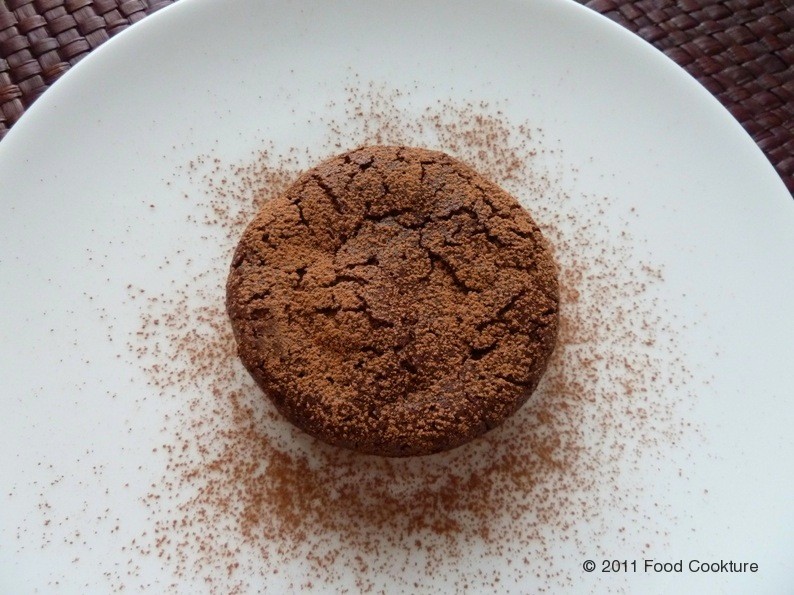
Before serving, I often sprinkle confectioner’s sugar or cocoa powder on top; and sometimes a bit of both. It gives the cake a sophisticated look; otherwise it can somewhat resemble a brownie (which is how a friend has jokingly labeled this cake), but the taste is far richer and the texture more delicate than a brownie, trust me!

Flourless Chocolate Cake
Serves 10-12 people (8-inch/20-21cm cake or 10 individual (2.5in/5cm) cakes)
Prep time: 15 min
Cook time: 20-30 min (depending on size of cake)
Cooking temp: 350°F/180°C

Ingredients:

  • 4 large eggs at room temperature (not separated)
  • 1 cup + 1 TBL (150g) granulated (superfine/caster) sugar
  • 6.5 oz (185g) high quality dark chocolate (at least 70% cocoa is best)
  • 8 TBL (1 stick of 113g) of butter (if you prefer the cake denser in texture, you can increase the butter by 3-4 TBL /42-57g)
  • 1 TBL (7g) unsweetened cocoa powder
  • 1/8 tsp instant coffee powder
  • ½ tsp pure vanilla extract
  • 1 TBL chopped almonds, walnuts or hazelnuts (optional)

Directions

  1. Melt butter in a glass bowl. You can microwave it or set it over a double-boiler (see step below).
  2. Cut chocolate into pieces and add to melted butter. Best to melt chocolate over double-boiler since using a microwave or direct stove can easily scorch the chocolate if you are not careful and it can change its texture (you won’t be able to use the chocolate once the texture is changed or is scorched/burned).
    1. Note: To set up double boiler: use a bowl that can be set over a pot or pan. Put enough water in the pot/pan without it touching the bowl. Let the water simmer while placing the bowl on top and constantly mixing the chocolate-butter mixture until melted.
  3. Add the coffee and cocoa powder to warm chocolate mixture; mix until well dissolved, and set aside (do not let the chocolate mixture cool completely or it will harden).
  4. In another bowl, whisk eggs with sugar and vanilla extract; set aside.
  5. Add ½ cup of the warm chocolate mixture to the egg mixture and whisk well. Add another ½ cup of the chocolate mixture (slowly adding the warm chocolate will not allow the eggs to “cook” while mixing them together).
  6. Line the bottom of the baking dish or ramekins with parchment or wax paper, or use a springform pan (pan with a removable bottom).
    1. Note: Cut circular piece(s) of the parchment/wax paper to fit the bottom (you can place the parchment/wax paper under the pan and outline the outside borders of the pan with a knife so you know the size of the circle to cut). I usually butter the bottom of the baking dish/ramekins then place the parchment/wax paper on top, this way the paper sticks to the pan. No need to flour the pan.
  7. If using smaller baking dishes/ramekins:pour ½ cup of cake batter into each 2.5in/5cm ramekin. Do not fill batter to top of ramekin. If using slightly larger ramekins, increase amount of batter slightly.
    1. Note: This cake does not have baking powder (leavening agent) so it will not rise much. Do not put too much batter into each ramekin or it won’t bake properly.
  8. Bake the cake for 20-25 minutes (if using individual ramekin dishes) or 30 minutes (if using a larger baking dish). The cake will be done when the top begins to crack (similar to baking a “brownie”).
  9. Let it cool for 10 minutes. Flip the cake onto a plate and peel off the parchment/wax paper from the bottom. Flip it to a serving platter. If making small individual cakes, place them directly on serving plates.
  10. Once completely cool and ready to serve, sprinkle confectioner’s sugar and/or unsweetened cocoa powder and serve.

This cake is best served at room temperature or warm with ice cream. It can be made in advance (without the confectioner’s sugar or cocoa powder on top) and stored in the refrigerator (best only 1 day in advance for fresh flavor). If making in advance, leave it at room temperature for at least 1 hour before serving. Enjoy!

Posted in Brunch/Breakfast, Cakes, Desserts, Snacks, Vegetarian | Tagged , , , , , , , | 2 Comments

Brazilian Moqueca

Many Brazilian dishes have influences from Portuguese, West African and Native Brazilian cultures. Moqueca is a fish stew (dating back to the 1500s) with two variations: from Bahia (state in the northeast region of Brazil) known as “moqueca baiana” with an African influence, and from Espirito Santo (state in the southeast region) known as “moqueca capixaba” with a Native Brazilian influence. Moqueca baiana uses palm oil (or azeite de dendê) and coconut milk, while moqueca capixaba only uses olive oil; they also use different types of regional fish.

Moqueca can be made with one or a combination of the following: white fish, shrimp, mussels, squid, scallops, crab, and/or lobster. I had an amazing moqueca once in Angra dos Reis (Rio de Janeiro) that combined all of these ingredients. The most popular version is fish and shrimp; or just fish (moqueca de peixe) or shrimp (moqueca de camarão).

The typical pan to cook moqueca is made of black clay and is usually served at the table. Every time I go to Brazil I want to bring one back but I’m always afraid of breaking it during travel. Maybe next time I’ll do less shopping so I can have more room for my moqueca clay pan :-)

About this recipe
My moqueca recipe is a combination of the moqueca baiana and the moqueca capixaba. I use olive oil instead of palm oil, and I use coconut milk. Palm oil is very heavy and has a very unique flavor (only a tiny bit must be used) and I prefer to cook without it; cooking with olive oil makes for a much lighter tasting moqueca. The use of coconut milk gives the moqueca a delicate flavor and creamy consistency which is a wonderful combination with the fish. I have used fresh tomatoes but prefer tomato paste with this recipe when using coconut milk; if not adding coconut milk, then its best to use fresh tomatoes. I have tried different types of white fish for this recipe (since you can’t find the same fish as in Brazil); my favorites for moqueca are red snapper, flounder and tilapia since they are mild and don’t compete with the flavor of the sauce, nor overwhelm the shrimp. I also prefer using parsley instead of cilantro (as most of my dinner guests are not a big fan of cilantro); however, you can use one or the other or a combination of the two, just a little bit is all you need.

Moqueca
Yields: 4 servings
Prep time: approx 20-30 min (depending if using shelled or deveined shrimp)
Cook time: approx 20 min

Ingredients:

  • 1 lb (453 kg) mild white fish fillet (red snapper, flounder, or tilapia)
  • 1/2-3/4 lb (225-350g) raw/uncooked shrimp (the larger the better)
  • 1 TBL lime juice
  • 2 TBL olive oil
  • ½ medium onion, chopped
  • 1 small clove of garlic, minced
  • ¼ red bell pepper, cut in strips
  • ¼ yellow bell pepper, cut in strips
  • ¼ green bell pepper, cut in strips
  • 2 TBL tomato paste
  • 1 ½ cups (350ml) coconut milk
  • Salt and pepper to taste
  • Hot sauce (optional)
  • 2 tsp parsley (or cilantro; or both)

Directions:

  1. Clean fish (and cut fillets into 2-3 pieces) and marinate with lime juice in a bowl. Set aside (in the fridge).
    1. Note: The lime juice helps the fish firm a bit so it doesn’t fall apart during cooking.
  2. Clean shrimp and set aside (in the fridge). I use shrimp with shells since they have more flavor.
    1. Note: To devein, pass a sharp knife along the bottom to slightly cut shrimp so you can clean it. I do the same over the top of the shell (most people don’t) if done carefully, this does not remove the shell. Likewise you can use unshelled, deveined shrimp.
  3. In a sauté pan, heat the olive oil and add chopped onions over medium-low heat. Let it cook approx 2 min and add minced garlic. Cook 1 min and add the red, yellow, and green bell pepper strips. Cook another 2 minutes and once onions or garlic start to brown add tomato paste and coconut milk (do not overcook garlic or it will become bitter).
    1. Note: If using hot sauce, you can add it now (or after Step 5; after fish and shrimp are cooked). The “hotness” of the sauce will develop as it cooks in the tomato-coconut sauce, so be conservative at first, you can always add more later.
  4. Increase temperature to medium heat. Continue to stir tomato-coconut sauce until hot and carefully add fish fillets (without overlapping if possible). Simmer for 3-5 min until fish starts becoming white in color.
    1. Note: Use a lid over the pan, allowing a small gap for steam to escape. This will help the fish cook faster.
  5. Add the shrimp carefully over and around the fish fillets, use a lid over the pan and simmer another 2-5 minutes (depending on size of shrimp and whether they are shelled).
    1. Note: If cooking with larger shrimp, allow the shrimp to cook along with the fish. If using smaller shrimp, add them once the fish has already cooked; small shrimp cooks quickly. Shrimp will be cooked when it turns pink. Do not overcook shrimp or it will be hard and “rubbery”.  
  6. Season to taste with salt and pepper (and hot sauce if desired). Add chopped parsley (and/or cilantro) and serve.
    1. Note: Be careful when serving as fish fillets will be very delicate and easily break apart. Use a large serving spoon to serve whole pieces of fish.

This dish is served with long-grain white rice. It is delicious and very delicate in flavor. I hope you enjoy it!

Bom Apetite!

Posted in Entree (lunch/dinner), Fish/Seafood | Tagged , , , , , , , , , , , , , , , , , , , , , , , , , | Leave a comment